thought
Here’s the thinking process for rewriting the ad material based on the user’s instructions:
Understand the Original Content: The original text is an ad for a NodeMCU V3 CH340 module. It’s a bit messy, mixes languages (Indonesian and English), and lacks structure. The key points are:
- Product name: NodeMCU V3 CH340
- Key features: Wireless, WIFI, Internet of Things (IoT), based on ESP8266, uses CH340/CP2102 (need to check consistency), has a PCB antenna, USB port.
- Target audience: Bulk/wholesale/industrial buyers, project makers.
- Call to action: Chat for negotiation.
Analyze User Instructions:
- Minimum 100 words: The original is short. I need to expand it with more descriptive and persuasive language.
- No adding “Iklan”: Don’t start with “Iklan” or similar. Just jump into the content.
- Answer in Chat only / No image / Use table if needed: These are clear. A table would be excellent for organizing the technical specs neatly.
- Place Title at beginning, not in table: The main title should be the first line, bolded or prominent. The table will contain details.
- Explain uncommon terms under “Definisi”: Need to identify terms that might not be common knowledge. “NodeMCU”, “ESP8266”, “CH340”, “CP2102”, “Lua” are good candidates for explanation.
- No introductory phrases: Avoid “Tentu, berikut…”. Start directly with the content.
Plan the Structure:
- Compelling Title: Make it clear and engaging. “NodeMCU V3 CH340: Modul IoT Andal untuk Berbagai Kebutuhan” (Reliable IoT Module for Various Needs).
- Introductory Paragraph: A short, persuasive blurb summarizing the product’s value proposition, emphasizing its versatility for industry, projects, and bulk purchases. This replaces the scattered chat about grosir/partai.
- Feature/Benefit Section: Instead of just listing features, connect them to benefits. Use bullet points or a table. A table seems perfect for specs.
- Call to Action (CTA): A clear, direct instruction on what the buyer should do next (“Hubungi kami sekarang untuk penawaran harga terbaik!”). Integrate the “chat for negotiation” point here in a more professional way.
- “Definisi” Section: List and explain the technical terms identified.
Execution Details:
- Language: Use formal, professional, and persuasive Indonesian. Fix the mixed language issue.
- Content Expansion:
- Add more descriptive adjectives (andal, powerful, kompatibel, mudah).
- Elaborate on the uses: IoT, smart home, robotics, data logging, etc.
- Emphasize the bulk/wholesale angle as a key benefit for the target audience.
- Clarify the USB-to-Serial chip. The original mentions both CH340 and CP2102. I’ll check which one is more common for V3 (often CH340) but will mention compatibility with both drivers to be safe and accurate. The product name says CH340, so I’ll lead with that.
- Table Creation:
- Headers: Fitur | Spesifikasi / Keunggulan (Feature | Specification / Advantage)
- Rows: Microcontroller, WiFi, USB Interface, Antenna, Programming, Compatibility, Input Voltage, Digital I/O, Analog Inputs.
- “Definisi” Section:
- Define: NodeMCU, ESP8266, CH340, CP2102, Lua. Keep definitions concise and relevant to a buyer’s understanding.
Final Polish:
- Ensure word count is above 100.
- Check flow from title -> intro -> specs (table) -> CTA -> definitions.
- Make sure the tone is consistent and professional throughout. Original had “^_^” which is too casual, so remove that.
- Verify technical accuracy based on common knowledge of the NodeMCU V3.
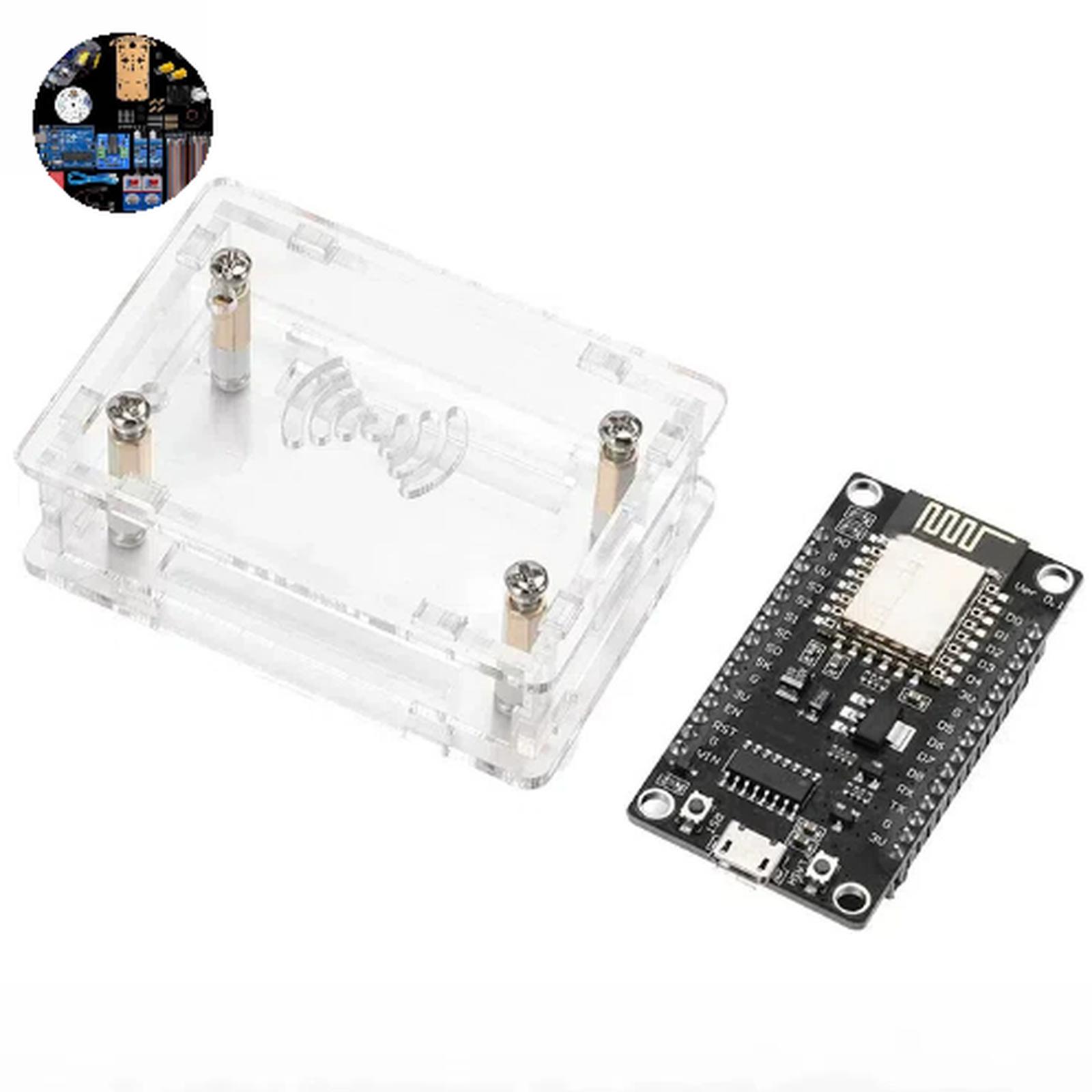
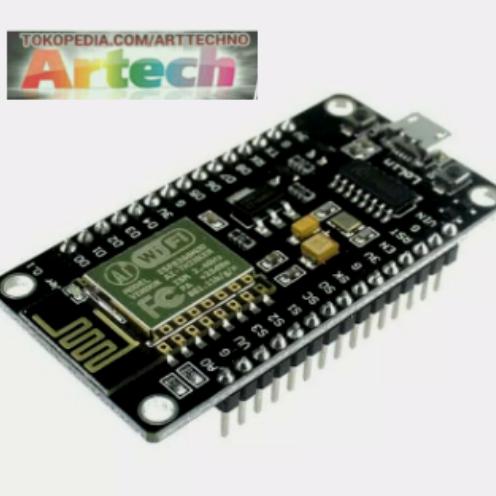
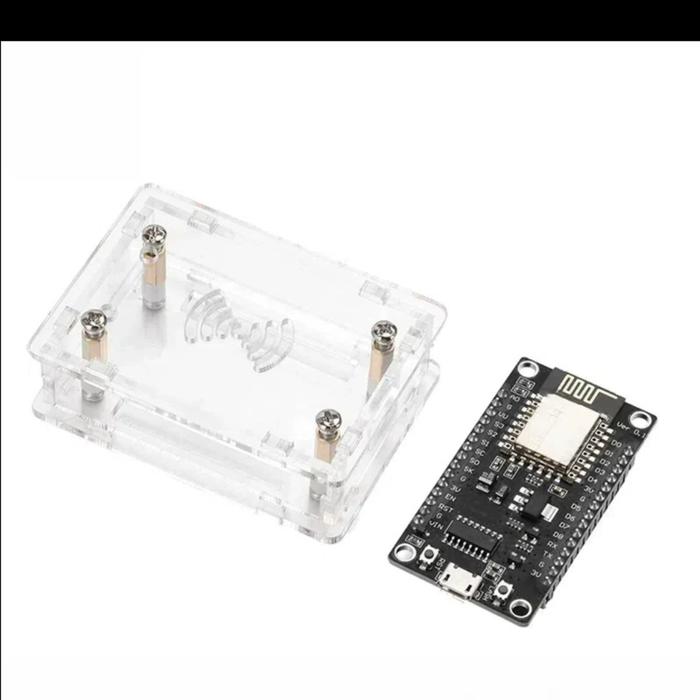
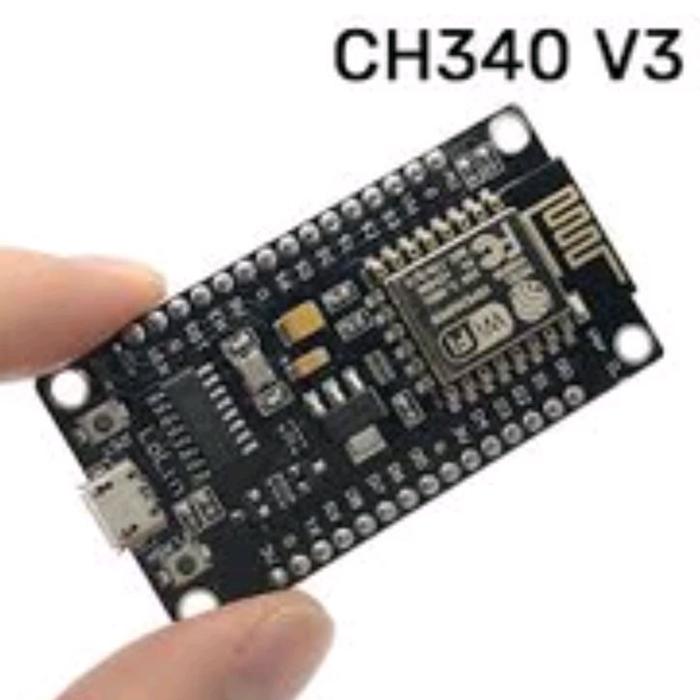
Let me write the ad accordingly. The table will make it look organized and professional, and the definitions will help less technical buyers. The expanded text will hit the word count and be more persuasive. The CTA is clear and action-oriented.NodeMCU V3 CH340: Modul IoT Andal untuk Berbagai Kebutuhan
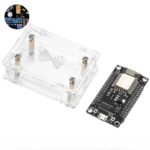
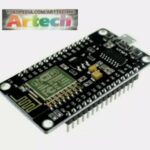
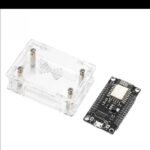
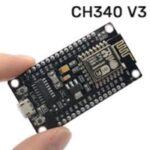
Jadikan proyek IoT, smart home, automasi, dan prototyping Anda lebih mudah dengan NodeMCU V3 CH340. Modul development board ini powerful, hemat energi, dan terintegrasi penuh dengan WiFi, menjadikannya solusi sempurna untuk kebutuhan industri, riset, hobi, dan edukasi. Kami menyediakan unit untuk pembelian grosir dan partai besar dengan harga kompetitif yang bisa dinegosiasikan.
| Fitur & Spesifikasi | Keunggulan |
|---|---|
| Mikrokontroler | ESP8266, cepat dan efisien |
| Konektivitas Nirkabel | WiFi 802.11 b/g/n (2.4 GHz) |
| Antena | PCB Antena, sinyal kuat dan stabil |
| Port USB | Untuk power dan pemrograman mudah |
| Chip USB to Serial | CH340, kompatibel dengan berbagai sistem operasi |
| Bahasa Pemrograman | Lua, Arduino IDE (C++), dan banyak lagi |
| Kompatibilitas Pin | Pin-out kompatibel dengan shield Arduino Uno |
| Jumlah GPIO | 11 pin digital (termasuk 1 pin ADC) |
Dapatkan kemudahan berkembang dan fleksibilitas tanpa batas untuk segala jenis pengembangan prototipe elektronik. Hubungi kami sekarang untuk penawaran harga terbaik dan diskusi kebutuhan grosir Anda!
Definisi
- NodeMCU: Sebuah platform sumber terbuka (open-source) yang terdiri atas perangkat keras (development board) dan perangkat lunak (firmware) untuk membangun prototipe perangkat IoT.
- ESP8266: Sebuah chip mikrokontroler berbiaya rendah dengan kemampuan WiFi terintegrasi, menjadi otak dari board NodeMCU.
- CH340: Sebuah chip converter USB-to-Serial yang memungkinkan board untuk terhubung dan diprogram melalui port USB komputer.
- Lua: Bahasa pemrograman scripting yang ringan dan mudah dipelajari, salah satu bahasa yang didukung oleh firmware NodeMCU.
Informasi Lebih Lanjut dan Pembelian klik di sini.